Summary:The profession of a perfumer is not well known, but you can casually take out products with fragrance (shower gel, tobacco, candy, scented candles...) at home, and almost 100% of the packages are marked with the addition of essence, or daily essence, or essence. These essence are the fruits of the perfumer
With the continuous improvement of economic conditions, people have paid more attention to the profession of perfumers. In this article, a candle editor will take you into the world of perfumers and introduce you to the profession from the introductory course of perfumery - classification of spices.
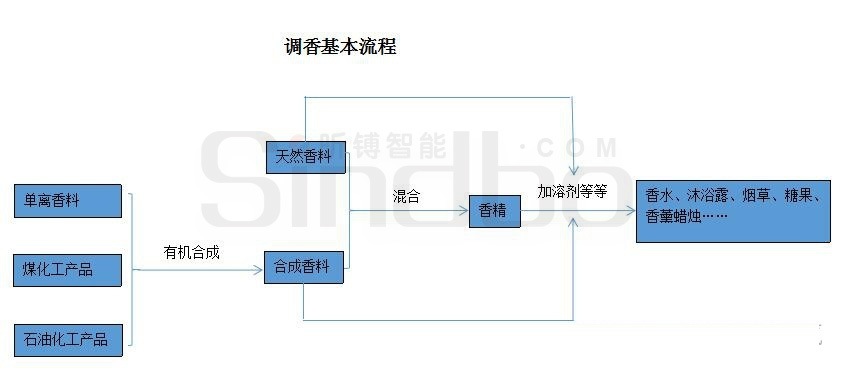
1、 Fragrance blending process:
From the fragrance process, we can see that understanding spices and mastering the production process of spices is the first introductory lesson for perfumers.
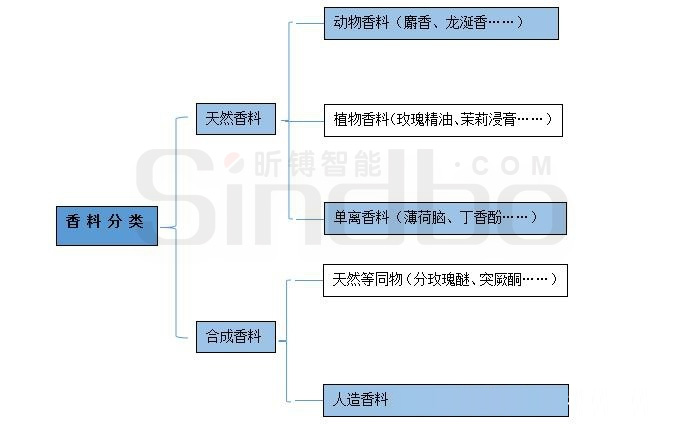
2、 Classification of spices
1. Animal spices
Animal perfumes are rare and rare, and play an important role in perfumes. They are secretions of animals, with distinctive fragrance and long lasting fragrance. Especially in perfume and essence, they are the most ideal fixative for daily essence.
This includes musk, civet, ambergris, beaver, and muskrat.
Ambergris originates from the stone like pathological product formed in the gastrointestinal tract of sperm whales
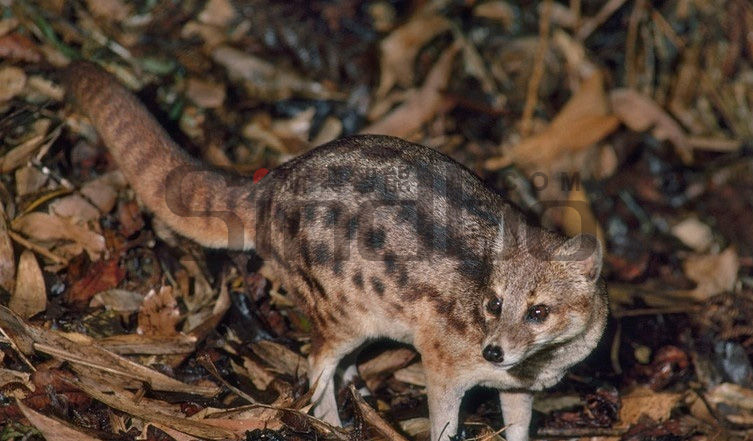
Lingmao fragrance comes from the secretion of male Lingmao's fragrance glands
Muskrat musk comes from the fatty liquid substances in the musk gland sacs of muskrats
Beaver fragrance comes from the secretions in the gland sacs of male beavers
2. Plant spices
Plant based spices are made from the flowers, leaves, branches, stems, roots, stems, skins, fruits, and their secretions of aromatic plants, mostly in the form of
Oil like or paste like. Plant based fragrances are complex mixtures composed of dozens or even hundreds of compounds, for example, rose essential oil contains nearly 300 aromatic components.
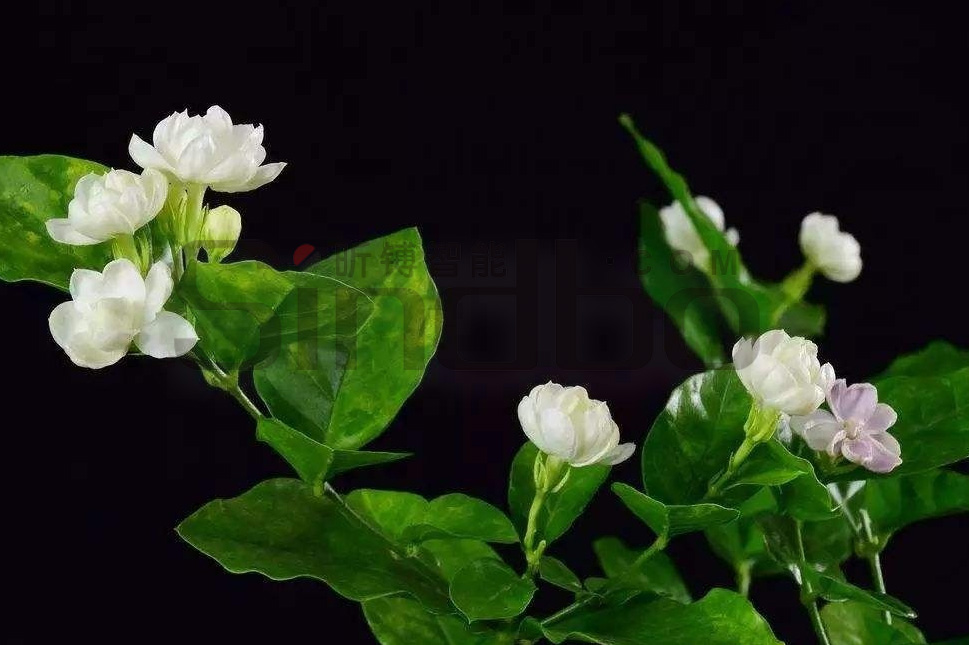
This includes rose essential oil, lavender essential oil, jasmine extract, and so on.
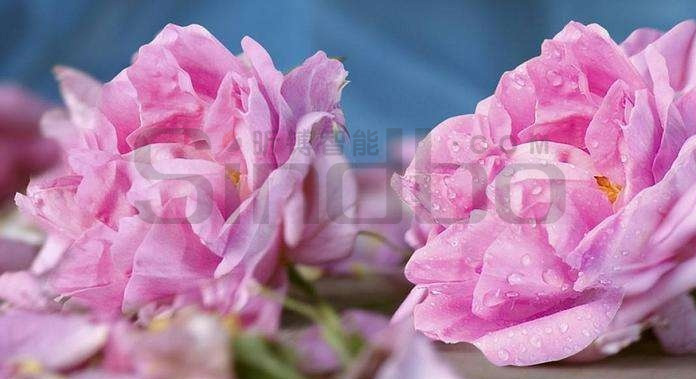
The rose essential oil can be obtained by steam distillation of fresh flowers and double distillation method
Steam distillation of flower clusters yields lavender essential oil
Extracting jasmine extract from fresh flowers with petroleum ether can yield jasmine extract
3. Single spice
A single compound isolated from natural flavorings using physical or chemical methods is called a monophyletic spice. Citral is isolated from camellia seed oil, and menthol (i.e. menthol) is isolated from peppermint oil.
Menthol (isolated from peppermint oil)
4. Natural equivalents
By using chromatography and spectroscopy techniques, the aromatic components of natural flavors are separated and their structures are identified. Then, corresponding chemical methods are used to produce compounds with the same structure, which we call "natural equivalents". The key components of rose aroma, such as rose ether, rose furan, and Turkic ketone, were discovered and synthesized from Turkic rose essential oil.
Although natural equivalents are artificially synthesized, they actually exist in natural flavors
5. Artificial flavors
Many natural compounds have overly complex structures and high synthesis costs, so they are replaced by compounds with completely different structures but similar aromas. This type of synthetic fragrance has not yet been discovered in natural fragrance ingredients and belongs to artificial fragrances, such as various synthetic musk, piperonal, etc.
Now most musks mentioned in perfume are artificial musks, not natural musks
The above classification of spices is likely to be difficult for beginners to fully absorb due to their previous life experience. When learning these classifications, we need to abandon the previous single cognition of "spices", and clarify the relationship between various spices based on the flavor mixing process. We also need to re-establish our understanding of "essence", "artificial synthesis", etc. If you have any questions, please leave a message for consultation.



 Tel:
Tel:
 Phone:
 Email:
 Addr:
Addr:
 Follow: